The opening ceremony of the 2026 Training Program for Indonesian Chinese Language Teachers under the "Silk Road Chinese Education" initiative was held at FPNU on June 19. Xiao Huaxin, Deputy Director of the United Front Work Department of the Provincial Party Committee and Director of the Provincial Overseas Chinese Affairs Office, and Jiang Xingshan, Vice President of FPNU, attended the ceremony. Heads of relevant domestic and overseas institutions, including the Fujian Fumin Foundation, Fuqing Overseas Friendship Association, Indonesia General Association of Chinese Language Education, and East Java Chinese Education Coordination Agency, were present at the event.
On behalf of FPNU, Jiang Xingshan extended a warm welcome to Indonesian Chinese language educators who traveled a long distance to participate. He noted that as a Fujian Provincial Base for Overseas Chinese Language Education, FPNU is rooted in the hometown of overseas Chinese. Upholding the vision of comprehensive overseas Chinese affairs work, it has leveraged its advantages in overseas Chinese connections, geographic proximity and cultural bonds to continuously explore innovative approaches for the development of Chinese language education, yielding a string of notable achievements. He encouraged all participants to cherish this training opportunity, master new smart classroom teaching techniques during the program, appreciate the charm of Chinese civilization through cultural immersion, strengthen friendship and exchange ideas on development via this training platform, and contribute to friendly exchanges between China and Indonesia.
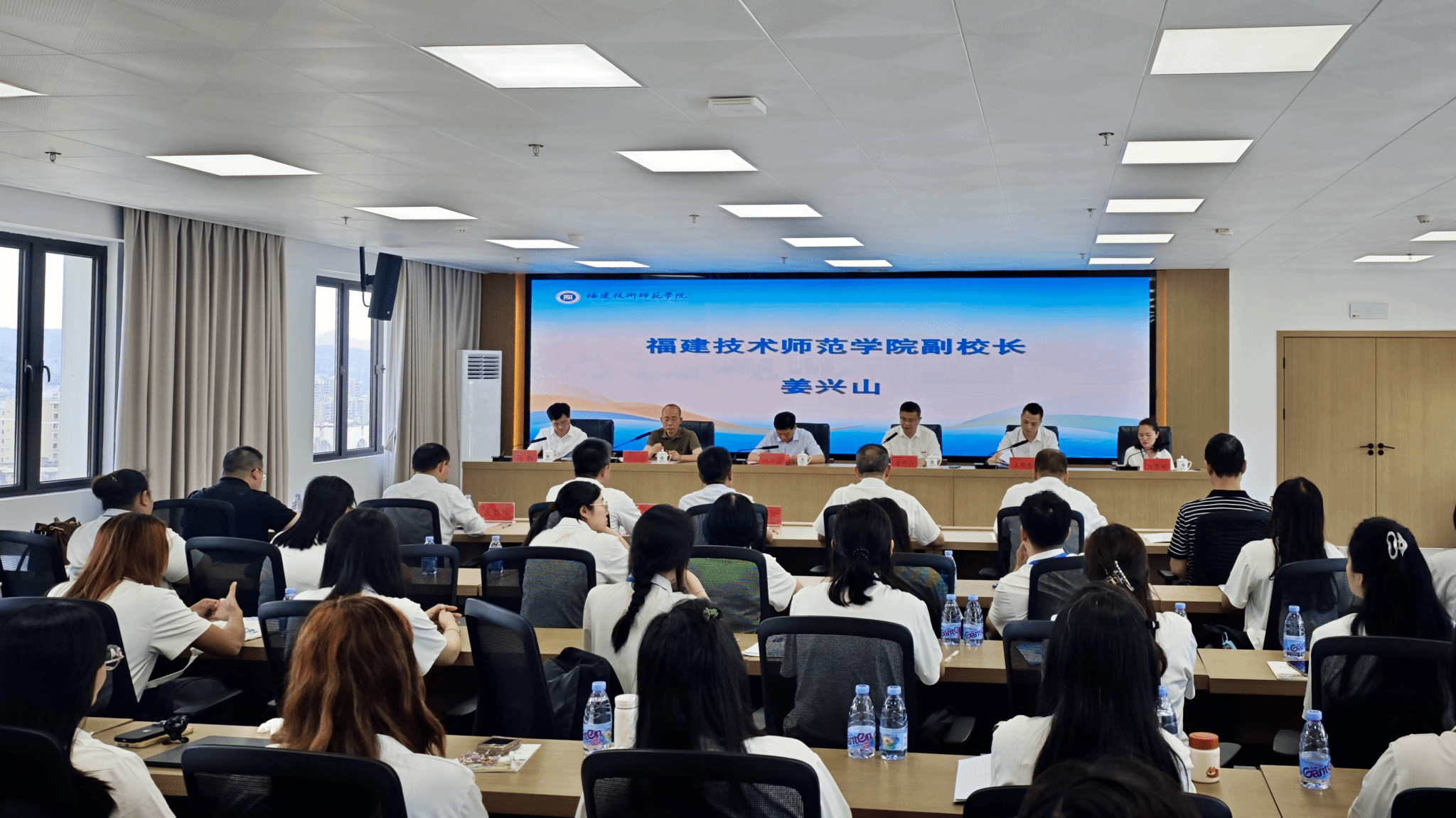
From three perspectives—"Inland Fujian, Maritime Fujian and Overseas Fujian", Xiao Huaxin reviewed the millennium-old maritime Silk Road ties between Fujian and Indonesia as well as the inheritance of the comprehensive overseas Chinese affairs vision. He stated that as China and Indonesia jointly advance high-quality development of the Belt and Road Initiative, Chinese language education plays a vital role in carrying forward Chinese cultural heritage, enhancing people-to-people bonds and deepening civil exchanges between the two nations. He urged all trainees to devote themselves to teaching and research, educate people through culture, and build bridges of communication, striving to be practitioners of Chinese language teaching, disseminators of Chinese culture, and promoters of China-Indonesia friendship.
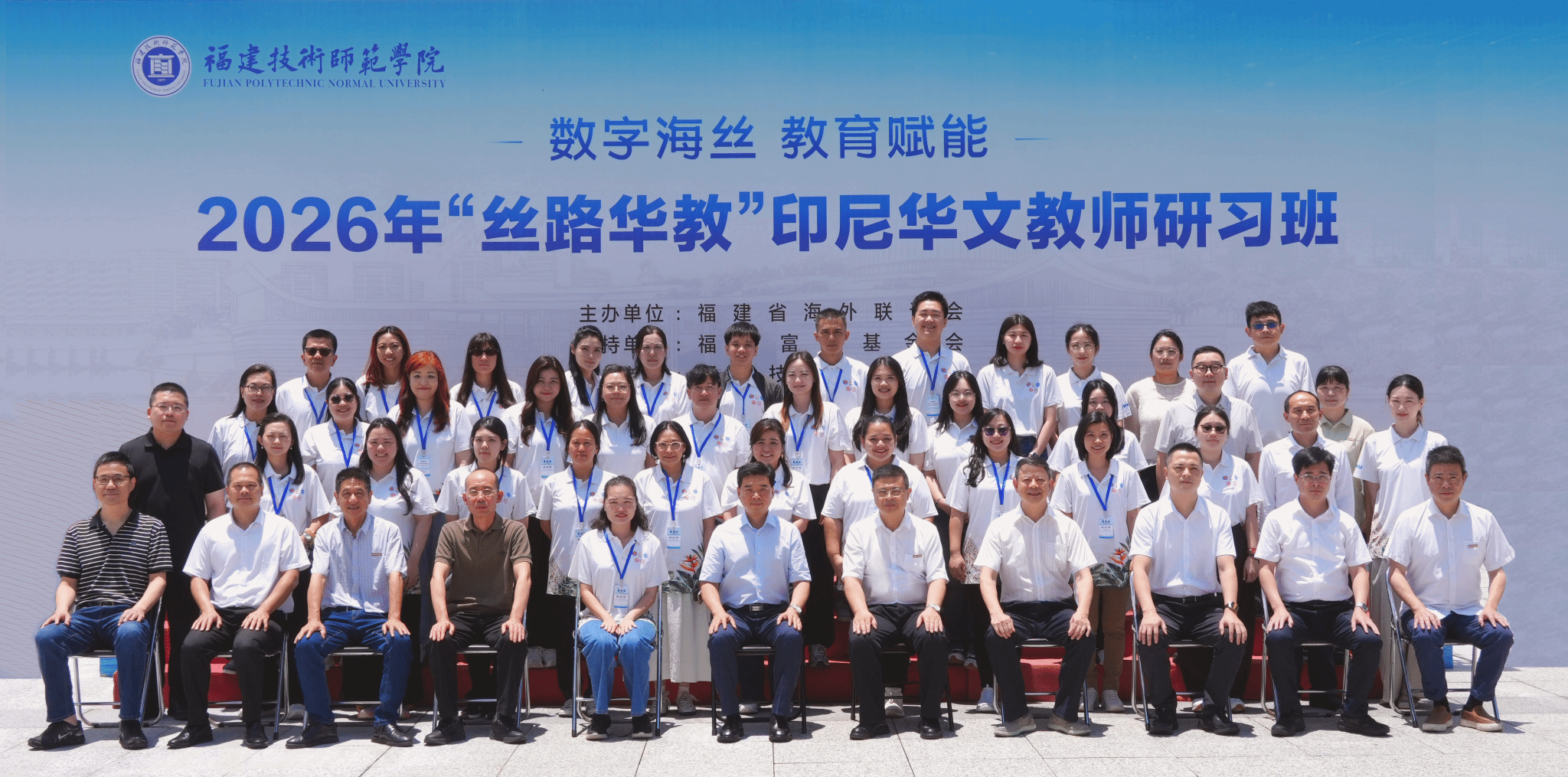
Spanning nine days, the training curriculum caters to Indonesian Chinese language education’s shift from universal coverage to quality improvement. It consists of modules including professional teaching, school administration, cultural experience and think tank seminars. Courses such as alignment with the HSK 3.0 system and hands-on smart teaching practice are offered. Trainees will also embark on field visits to the China-Indonesia "Two Countries, Twin Parks" and landmarks of Maritime Silk Road culture. The program advances the development of Chinese language education from "Chinese + Culture" to "Chinese + Vocational Skills", explores new integrated teaching models combining Chinese language education and vocational training, and strives to cultivate dual-qualified Chinese language teachers with solid linguistic competence and digital literacy.